One Heart, Two Souls Figurine
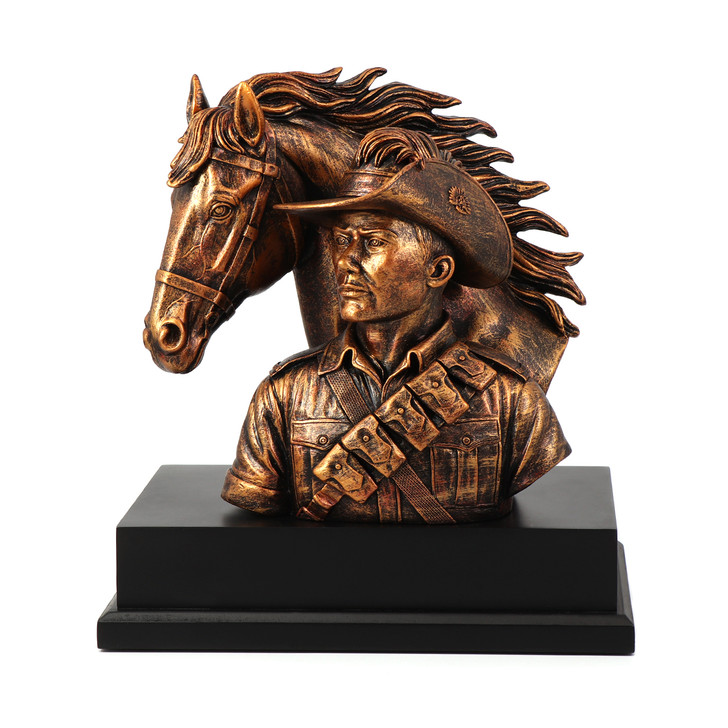
Was more than I expected , it is a stunning figurine and bigger than expected. I am so happy with it. The details are amazing.



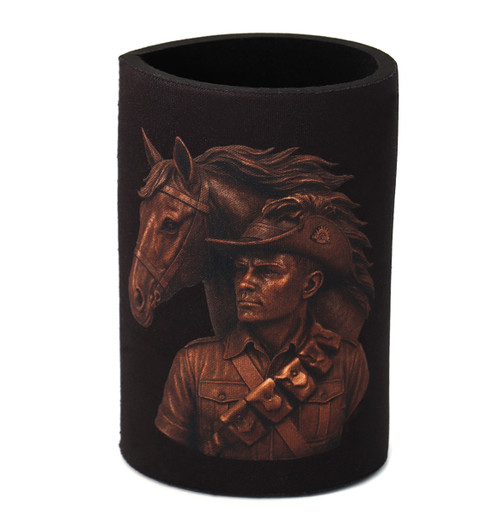
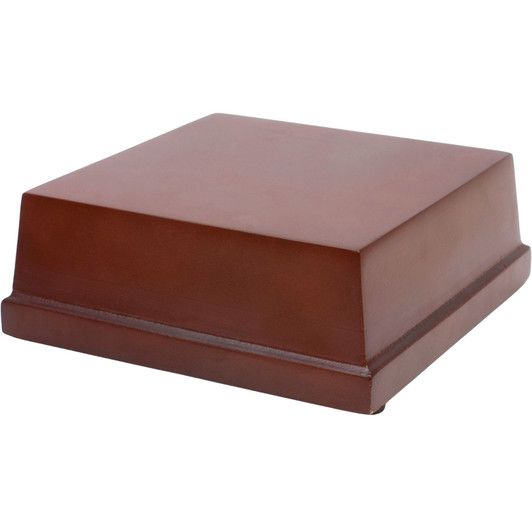
Displayed on a finely crafted timber plinth, this striking bust makes an elegant statement in any home or office. Whether chosen as a meaningful gift or acquired for your own collection, its exceptional craftsmanship, presence and timeless style are sure to impress.
The bond between service people and the animals that stand beside them is undeniably strong. The relationship between a soldier and their steed is a connection forged through trust, loyalty, and shared purpose; one mind, One Heart, Two Souls. When they rode, they rode as one.
Wearing the uniform of a Great War soldier, this bust of an Australian Light Horseman and his steed stands as an emotional tribute not only to those who fought in the Great War but to all horses and their riders; those who serve today and those who have served in the past. The horse’s windswept mane and the rider’s calm yet steely presence create a powerful and moving representation of the enduring bond between a soldier and his companion, one that needs no words to communicate.
The Australian Light Horse occupies a distinguished place in Australia’s military history. Its origins can be traced to the South African War of 1899 to 1902, where mounted troops from Australia first proved their value in overseas service. When the Great War began in 1914, the Light Horse was again called upon. More than 9,000 men enlisted across 23 Light Horse regiments, serving as mounted infantry. Trained to ride to battle and fight on foot, these men demonstrated exceptional endurance and adaptability across the harsh terrain of the Middle East. Their most renowned action occurred at Beersheba in October 1917, when a bold mounted charge secured the town and its vital water supplies, marking one of the most significant Australian battlefield achievements of the war.
Equally central to the Light Horse story is the profound bond between the men and their horses, most commonly the Australian Waler. These horses were trusted companions, sharing the dangers and hardships of active service. At the war’s end, strict quarantine regulations prevented the return of nearly all horses to Australia, a loss deeply felt by the soldiers. Many attempted to defy the rules in the hope of saving their mounts. Only one horse is known to have returned home, Sandy, the beloved charger of Major General Sir William Bridges. Sandy was brought back to Australia in 1918 and lived out his remaining years at the Remount Depot, becoming a lasting symbol of loyalty and sacrifice.
Another enduring emblem of the Australian Light Horse is the emu plume worn in the slouch hat. The tradition is believed to have originated during training and early service, when soldiers chased emus across open country and collected feathers as a mark of identity and esprit de corps. Over time, the plume came to represent the uniquely Australian character of the Light Horseman, resilient, resourceful and closely connected to the land. Worn on the upturned left brim of the hat, it became a symbol of service and pride, one that continues to hold deep meaning and is especially remembered on Anzac Day.
SPECIFICATIONS:Was more than I expected , it is a stunning figurine and bigger than expected. I am so happy with it. The details are amazing.